About the School
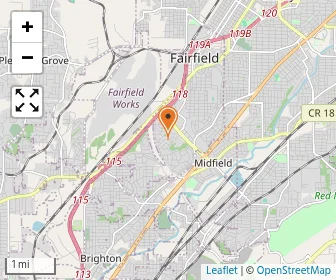
- Mt. Pilgrim Christian Academy in Fairfield, AL, serves 32 students in grades Kindergarten through 6 in a suburban community setting.
- The school has a student–teacher ratio of 8:1, supported by 4 teachers in a co–ed, regular elementary program.
- Pilgrim Christian Academy is affiliated with the Baptist orientation and is a member of the Association of Christian Schools International (ACSI).
- The student population is 100% students of color, reflecting the diversity of the local community.
School Facts
Religious Affiliation
Grades Offered
Grades Kindergarten-6
Students By Grade
School Calendar
Student Body
Total Students
32 students
Student Body Type
Co-ed
% Students of Color
100%
State avg.: 25%
Academic Profile
Total Classroom Teachers
4 teachers
Student-Teacher Ratio
8:1
National avg.: 11:1
Tuition & Financial Aid
Admission Deadline
None / Rolling
Frequently Asked Questions
When is the application deadline for Mt. Pilgrim Christian Academy?
The application deadline for Mt. Pilgrim Christian Academy is rolling (applications are reviewed as they are received year-round).
Related Schools
Show me:
People that viewed Mt. Pilgrim Christian Academy also viewed these schools: New Life Christian School Of Excellence, Rock City Preparatory Christian School, Restoration Academy, Sardis Christian School and Ephesus Academy.
The nearest high school and elementary school to Mt. Pilgrim Christian Academy is Restoration Academy (1.1 miles away)
The nearest preschool is Crumbey Bethel Primitive Bapt (1.1 miles away)
Show me:
Show me:
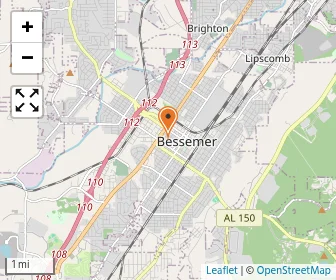
Distance: 5.0 mi
Gr: K-5 | 114 students
Christian
1622 7th Ave N
Bessemer, AL 35020
(205) 425-4735
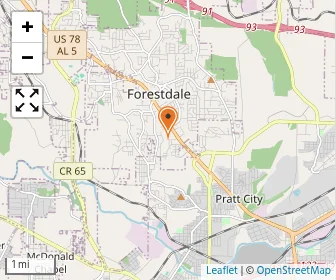
Distance: 6.4 mi
Gr: K-8 | 26 students
Avg. class size: 10 students
Christian
1120 Apricot Avenue
Birmingham, AL 35214
(205) 786-4811
Distance: 1.1 mi
Gr: K-12 | 405 students
Avg. class size: 18 students
Sports: 7
Christian
4600 Carnegie Ave
Fairfield, AL 35064
(205) 785-8805
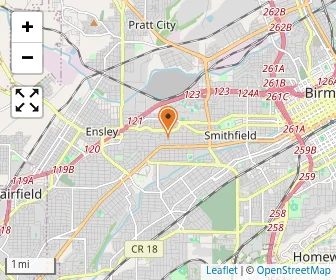
Distance: 4.4 mi
Gr: K-9 | 141 students
Sports: 1
Baptist
1620 4th Ct W
Birmingham, AL 35208
(205) 786-4379
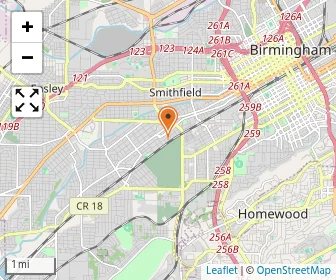
Distance: 4.9 mi
Gr: K-12 | 82 students
Seventh Day Adventist
829 Mcmillon Ave Sw
Birmingham, AL 35211
(205) 786-2194
Distance: 1.1 mi
Gr: K-12 | 405 students
Avg. class size: 18 students
Sports: 7
Christian
4600 Carnegie Ave
Fairfield, AL 35064
(205) 785-8805
Distance: 4.4 mi
Gr: K-9 | 141 students
Sports: 1
Baptist
1620 4th Ct W
Birmingham, AL 35208
(205) 786-4379
Distance: 4.9 mi
Gr: K-12 | 82 students
Seventh Day Adventist
829 Mcmillon Ave Sw
Birmingham, AL 35211
(205) 786-2194
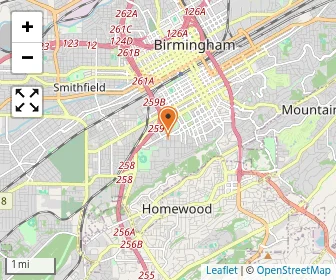
Distance: 6.7 mi
Gr: PK-12 | 105 students
Avg. class size: 10 students
Sports: 4
Baptist
1137 10th Pl S
Birmingham, AL 35205
(205) 323-1516
Distance: 4.7 mi
Gr: PK-12 | 107 students
Avg. class size: 10 students
Sports: 1
Pentecostal
2800 19th St N
Bessemer, AL 35023
(205) 491-9100
Distance: 5.0 mi
Gr: K-5 | 114 students
Christian
1622 7th Ave N
Bessemer, AL 35020
(205) 425-4735
Distance: 6.4 mi
Gr: K-8 | 26 students
Avg. class size: 10 students
Christian
1120 Apricot Avenue
Birmingham, AL 35214
(205) 786-4811
Distance: 1.1 mi
Gr: K-12 | 405 students
Avg. class size: 18 students
Sports: 7
Christian
4600 Carnegie Ave
Fairfield, AL 35064
(205) 785-8805
Distance: 4.4 mi
Gr: K-9 | 141 students
Sports: 1
Baptist
1620 4th Ct W
Birmingham, AL 35208
(205) 786-4379
Distance: 4.9 mi
Gr: K-12 | 82 students
Seventh Day Adventist
829 Mcmillon Ave Sw
Birmingham, AL 35211
(205) 786-2194
Distance: 6.7 mi
Gr: PK-12 | 105 students
Avg. class size: 10 students
Sports: 4
Baptist
1137 10th Pl S
Birmingham, AL 35205
(205) 323-1516

Distance: 7.5 mi
Gr: PK-8 | 217 students
Avg. class size: 11 students
Sports: 6 | Extracurriculars: 8
Episcopal
2019 6th Ave N
Birmingham, AL 35203
(205) 252-2535
Distance: 4.7 mi
Gr: PK-12 | 107 students
Avg. class size: 10 students
Sports: 1
Pentecostal
2800 19th St N
Bessemer, AL 35023
(205) 491-9100

Distance: 11.5 mi
Gr: PK-8 | 195 students
Avg. class size: 12 students
Specialized Curriculum
5901 Crestwood Blvd
Birmingham, AL 35212
(205) 592-0541
Distance: 1.1 mi
Gr: PK-K | 35 students
Daycare / Preschool
444 58th St
Fairfield, AL 35064
(205) 788-5053
Distance: 1.1 mi
Gr: K-12 | 405 students
Avg. class size: 18 students
Sports: 7
Christian
4600 Carnegie Ave
Fairfield, AL 35064
(205) 785-8805
Distance: 2.1 mi
Gr: 1-8 | 13 students
Christian
3420 Hickory Ave Sw
Birmingham, AL 35221
(205) 283-4015
Distance: 2.9 mi
Gr: PK-8 | 137 students
Christian
2820 Avenue E
Birmingham, AL 35218
(205) 788-0590

Distance: 3.2 mi
Gr: 9-12 | 44 students
Vocational/Technical School
2301 Ave E
Birmingham, AL 35218
(205) 847-4086
Distance: 1.1 mi
Gr: K-12 | 405 students
Avg. class size: 18 students
Sports: 7
Christian
4600 Carnegie Ave
Fairfield, AL 35064
(205) 785-8805
Distance: 3.2 mi
Gr: 9-12 | 44 students
Vocational/Technical School
2301 Ave E
Birmingham, AL 35218
(205) 847-4086
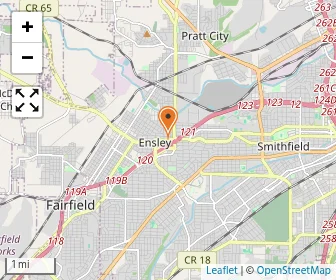
Distance: 3.8 mi
Gr: 9-12 | 197 students
Catholic
2001 19th Street Ensley
Birmingham, AL 35218
(205) 787-9937
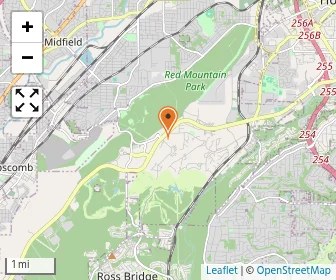
Distance: 3.8 mi
Gr: 1-12 | 124 students
Avg. class size: 8 students
Sports: 2
2701 Sydney Drive
Birmingham, AL 35211
(205) 423-8660
Distance: 4.4 mi
Gr: K-9 | 141 students
Sports: 1
Baptist
1620 4th Ct W
Birmingham, AL 35208
(205) 786-4379
Distance: 1.1 mi
Gr: K-12 | 405 students
Avg. class size: 18 students
Sports: 7
Christian
4600 Carnegie Ave
Fairfield, AL 35064
(205) 785-8805
Distance: 2.1 mi
Gr: 1-8 | 13 students
Christian
3420 Hickory Ave Sw
Birmingham, AL 35221
(205) 283-4015
Distance: 2.9 mi
Gr: PK-8 | 137 students
Christian
2820 Avenue E
Birmingham, AL 35218
(205) 788-0590
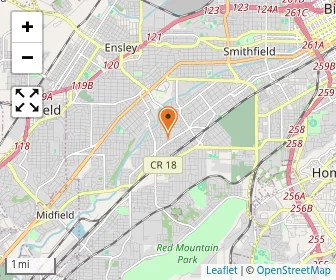
Distance: 3.3 mi
Gr: 1-5 | 19 students
Specialized Curriculum (Christian)
309 20th St Sw
Birmingham, AL 35211
(205) 925-6900
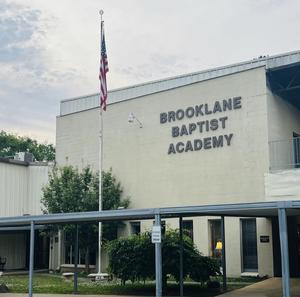
Distance: 3.5 mi
Gr: 5
Specialized Curriculum (Baptist)
160 Brooklane Drive
Bessemer, AL 35023
(205) 497-0967
Distance: 1.1 mi
Gr: PK-K | 35 students
Daycare / Preschool
444 58th St
Fairfield, AL 35064
(205) 788-5053
Distance: 2.9 mi
Gr: PK-8 | 137 students
Christian
2820 Avenue E
Birmingham, AL 35218
(205) 788-0590
Distance: 3.7 mi
Gr: PK-8 | 61 students
Baptist
1740 Cleburn Ave Sw
Birmingham, AL 35211
(256) 357-4968

Distance: 3.8 mi
Gr: PK-K | 70 students
Daycare / Preschool
1698a Tuscaloosa Ave Sw
Birmingham, AL 35211
(205) 923-9555
Distance: 4.7 mi
Gr: PK-12 | 107 students
Avg. class size: 10 students
Sports: 1
Pentecostal
2800 19th St N
Bessemer, AL 35023
(205) 491-9100
School
(Math and Reading Proficiency)
(Math and Reading Proficiency)
Location
Miles
Quick Facts
Glen Oaks Intermediate School
(Math: 8% | Reading: 20-24%)
Rank:
Rank:
2/
Bottom 50%10
1301 Highland Dr
Fairfield, AL 35064
(205) 783-6837
Fairfield, AL 35064
(205) 783-6837
0.6 miles
Gr: 3-5 | 275 students Student-Teacher Ratio: 18:1
Fairfield Alternative School
Alternative School
6405 Ave D
Fairfield, AL 35064
(205) 783-6847
Fairfield, AL 35064
(205) 783-6847
0.8 miles
Gr: K-12
Robinson Primary School
(Reading: 20-24%)
(Math: ≤5% | Reading: 20-24% )
Rank:
(Math: ≤5% | Reading: 20-24% )
Rank:
2/
Bottom 50%10
301 61st St
Fairfield, AL 35064
(205) 783-6827
Fairfield, AL 35064
(205) 783-6827
0.9 miles
Gr: K-2 | 238 students Student-Teacher Ratio: 17:1
Midfield Elementary School
(Math: 6-9% | Reading: 15-19%)
Rank:
Rank:
1/
Bottom 50%10
416 Parkwood St
Birmingham, AL 35228
(205) 923-7727
Birmingham, AL 35228
(205) 923-7727
1 miles
Gr: PK-4 | 377 students Student-Teacher Ratio: 21:1
Midfield Area Vocational Department
Vocational School
1600 High School Dr
Birmingham, AL 35221
(205) 923-2833
Birmingham, AL 35221
(205) 923-2833
1.4 miles
Gr: 9-12
Recent Articles

Private School Tuition Insurance: Is It Worth Buying?
Is private school tuition insurance worth buying? Learn what policies cover, compare costs and exclusions, and decide whether protecting your tuition investment makes financial sense for your family.

Medical Leave and Private School Tuition: Parent Guide
What happens to private school tuition during medical leave? Learn about refunds, tuition insurance, enrollment contracts, financial aid, and protecting your child's education while managing unexpected medical expenses and recovery.

Private School Commute: Is the Travel Time Worth It?
Is the commute to private school worth it? Learn how to calculate travel time, protect family routines, assess student well-being, and decide whether a longer journey makes educational sense.