About the School
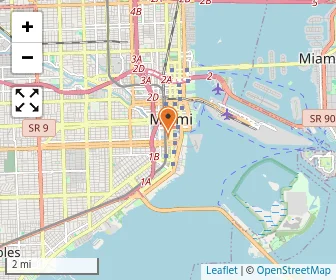
- Kla Continuation School in Miami, FL serves 95 students from pre–kindergarten through grade 3 in a nonsectarian, city–based setting in the Brickell neighborhood.
- The co–educational school maintains a student–teacher ratio of 8:1 with 12 teachers supporting early elementary programs.
- Approximately 80% of the student body represents students of color, reflecting the diversity of the Miami community.
- Located in a large city locale, the school offers regular elementary and secondary education within Miami's urban environment.
School Facts
Religious Affiliation
Grades Offered
Grades Prekindergarten-3
Students By Grade
Student Body
Total Students
95 students
Student Body Type
Co-ed
% Students of Color
80%
State avg.: 48%
Academic Profile
Total Classroom Teachers
12 teachers
Student-Teacher Ratio
8:1
National avg.: 11:1
Tuition & Financial Aid
Admission Deadline
None / Rolling
Frequently Asked Questions
When is the application deadline for Kla Continuation School?
The application deadline for Kla Continuation School is rolling (applications are reviewed as they are received year-round).
In what neighborhood is Kla Continuation School located?
Kla Continuation School is located in the Brickell neighborhood of Miami, FL. There are 1 other private schools located in Brickell.
Nearby Private Schools
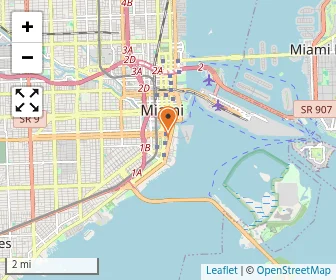
The nearest high school and elementary school to Kla Continuation School is Worlded International School (0.3 miles away)
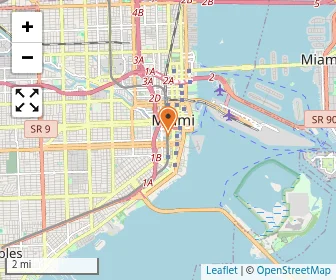
The nearest preschool is KLA Schools (0.0 miles away)
Show me:
Gr: NS-PK | 170 students
Avg. class size: 15 students
Daycare / Preschool
600 SW 1st. Ave
Miami, FL 33130
(305) 377-0391
Distance: 0.3 mi
Gr: 6-12 | 485 students
848 Brickell Ave, Ph5
Miami, FL 33131
(305) 894-3770
Distance: 0.5 mi
Gr: PK | 173 students
Avg. class size: 12 students
Special Education School
1475 Nw 14th Ave
Miami, FL 33125
(305) 547-4727
Distance: 0.5 mi
Gr: NS-5 | 400 students
Avg. class size: 18 students
Sports: 7 | Extracurriculars: 14
375 SW 15th Road
Miami, FL 33129
(305) 377-0391
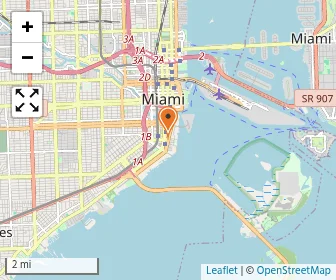
Distance: 0.5 mi
Gr: K-12 | 83 students
10950 sw 34 street
Miami, FL 33165
(305) 553-1000
Distance: 0.3 mi
Gr: 6-12 | 485 students
848 Brickell Ave, Ph5
Miami, FL 33131
(305) 894-3770
Distance: 0.5 mi
Gr: K-12 | 83 students
10950 sw 34 street
Miami, FL 33165
(305) 553-1000

Distance: 1.6 mi
Gr: PK-12
Avg. class size: 20 students
Sports: 11
1501 Biscayne Blvd, Suite 100
Miami, FL 33132
(786) 495-9828
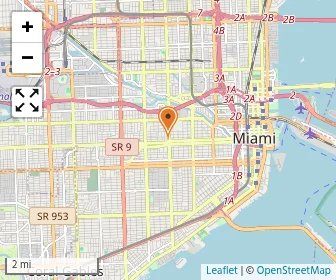
Distance: 1.8 mi
Gr: 12 | 34 students
28 Alcantarra Ave
Miami, FL 33134
(305) 915-2513

Distance: 1.9 mi
Gr: PK-11
Sports: 8 | Extracurriculars: 3
1911 Northeast Miami Court
Miami, FL 33132
(305) 576-6070
Distance: 0.3 mi
Gr: 6-12 | 485 students
848 Brickell Ave, Ph5
Miami, FL 33131
(305) 894-3770
Distance: 0.5 mi
Gr: NS-5 | 400 students
Avg. class size: 18 students
Sports: 7 | Extracurriculars: 14
375 SW 15th Road
Miami, FL 33129
(305) 377-0391
Distance: 0.5 mi
Gr: K-12 | 83 students
10950 sw 34 street
Miami, FL 33165
(305) 553-1000
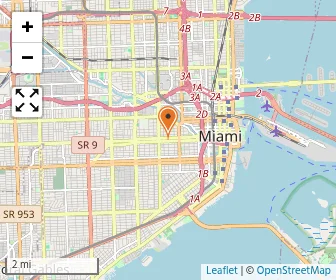
Distance: 1.1 mi
Gr: 1-6 | 420 students
1001 Sw 1st Street
Miami, FL 33130
(305) 324-7322
Distance: 1.2 mi
Gr: NS-5 | 228 students
Avg. class size: 12 students
Sports: 1 | Extracurriculars: 5
Jewish
2625 SW 3rd Ave
Miami, FL 33129
(305) 854-3282
Gr: NS-PK | 170 students
Avg. class size: 15 students
Daycare / Preschool
600 SW 1st. Ave
Miami, FL 33130
(305) 377-0391
Distance: 0.5 mi
Gr: PK | 173 students
Avg. class size: 12 students
Special Education School
1475 Nw 14th Ave
Miami, FL 33125
(305) 547-4727
Distance: 0.5 mi
Gr: NS-5 | 400 students
Avg. class size: 18 students
Sports: 7 | Extracurriculars: 14
375 SW 15th Road
Miami, FL 33129
(305) 377-0391
Distance: 1.2 mi
Gr: NS-5 | 228 students
Avg. class size: 12 students
Sports: 1 | Extracurriculars: 5
Jewish
2625 SW 3rd Ave
Miami, FL 33129
(305) 854-3282
Distance: 1.3 mi
Gr: PK-K | 70 students
Avg. class size: 20 students
Extracurriculars: 13
Montessori School
2733 SW 3 Ave.
Miami, FL 33129
(305) 854-2824
School
(Math and Reading Proficiency)
(Math and Reading Proficiency)
Location
Miles
Quick Facts
Southside Preparatory Academy
Magnet School
(Math: 60% | Reading: 62%)
Rank:
Rank:
8/
Top 30%10
45 Sw 13th St
Miami, FL 33130
(305) 371-3311
Miami, FL 33130
(305) 371-3311
0.4 miles
Gr: PK-8 | 873 students Student-Teacher Ratio: 17:1 Minority enrollment: 83%
Mater Academy East Charter School
Charter School
(Math: 85-89% | Reading: 70-74%)
Rank:
Rank:
10/
Top 10%10
450 Sw 4th St
Miami, FL 33130
(305) 324-4667
Miami, FL 33130
(305) 324-4667
0.5 miles
Gr: K-8 | 573 students Student-Teacher Ratio: 22:1 Minority enrollment: 97%
Mater Brickell Academy High School
Charter School
(Math: 55-59%)
230 Sw 17th Rd
Miami, FL 33129
(305) 828-1886
Miami, FL 33129
(305) 828-1886
0.6 miles
Gr: 9-12 | 487 students Student-Teacher Ratio: 27:1 Minority enrollment: 89%
New World School Of The Arts
Magnet School
(Math: 45-49% | Reading: 93%)
Rank:
Rank:
8/
Top 30%10
25 Ne 2nd St
Miami, FL 33132
(305) 237-3135
Miami, FL 33132
(305) 237-3135
0.6 miles
Gr: 9-12 | 451 students Student-Teacher Ratio: 16:1 Minority enrollment: 82%
25 Ne 2nd St, # 5
Miami, FL 33132
(305) 237-7270
Miami, FL 33132
(305) 237-7270
0.6 miles
Gr: 11-12 | 135 students Student-Teacher Ratio: 45:1 Minority enrollment: 75%
Recent Articles

Should Your Child Stay at the Same Private School K–12?
Explore whether your child should attend the same private school from kindergarten through graduation, weighing academic continuity, friendships, changing needs, tuition costs, and opportunities at different educational stages.

When Your Child's Closest Friends Leave Private School
Learn how to support your child when close friends leave private school, manage loneliness, maintain friendships, encourage new connections, recognize emotional challenges, and decide when additional school support is needed.

When Your Child Doesn't Connect With Their Teacher
Discover when parents should intervene if their child struggles to connect with a private school teacher, including warning signs, communication strategies, classroom concerns, and practical steps toward improving relationships.